Finding Historic Homes for Sale
📅 2026 Update: Changes in Historic Property Protection
Since the original article was published, significant changes have occurred in laws and protections for historic homes. These changes impact how historic properties are managed and preserved across the United States. The earlier article continues further down the page, providing more context and details.
🏛️ Recent Legislative Actions
On July 25, 2026, the Advisory Council on Historic Preservation voted to rewrite federal rules aimed at protecting historic sites. This plan has been sent to the White House for further review. These changes could affect how historic properties are maintained and preserved.
✉️ Advocacy Groups Take Action
On August 27, 2026, more than 600 organizations urged Congress to block efforts that could weaken laws protecting historic sites. This includes proposed changes to Section 106 of the National Historic Preservation Act, which is crucial for maintaining the integrity of historic properties.
🏗️ Legal Challenges in Preservation
On April 29, 2026, cultural and historic preservation groups sought a federal injunction. They aimed to halt major renovations at the Kennedy Center due to concerns over potential violations of historic preservation rules. This case underscores the ongoing legal battles surrounding historic property protections.
⚖️ Lawsuits for Authorization
In February 2026, the National Trust for Historic Preservation filed a lawsuit against the National Park Service. This lawsuit seeks to require presidential authorization for construction projects on historic sites, such as the proposed ballroom at the White House. Such actions can set precedents for future renovations of historic properties.
📌 Key Points Summary
- 🏛️ Advisory Council is rewriting federal rules for historic site protection.
- ✉️ Over 600 groups advocate against weakening historic preservation laws.
- 🏗️ Legal challenges are ongoing regarding the Kennedy Center renovations.
- ⚖️ Lawsuits seek to require authorization for construction on historic sites.
💡 Tips for Navigating Historic Property Laws
Review the details of your specific situation with an attorney.
📄 Understand Preservation Laws
Familiarize yourself with the National Historic Preservation Act. This law outlines important rules for maintaining historic properties. Knowing these can help you navigate potential renovations or property purchases.
🏛️ Check Local Regulations
Local zoning laws can affect historic homes. Research local regulations to see what restrictions or allowances apply to your property. This can help avoid future disputes.
🏗️ Consider Renovation Implications
If you own a historic home and plan to renovate, understand the rules that may apply. Historic properties often have specific guidelines to preserve their character.
📜 Document Everything
Keep thorough records of any renovations or changes made to your property. This documentation can be crucial in case of legal disputes or if you need to prove compliance with preservation laws.
🏛️ Get Involved in Local Advocacy
Join local historic preservation groups. Engaging with these organizations can provide valuable resources and support in protecting historic properties.
🏆 Top Services for Historic Property Needs Ranked by User Reviews (2026)
Various services can assist with historic properties, especially regarding legal and translation needs. Here are some of the most relevant options based on Trustpilot data as of October 2026. Ratings can change, and customer experiences may vary.
🥇 1. Enence
Enence has been rated 4.2. It is known for translation services, particularly in document translation. Reviewers mention occasional delays, which may affect time-sensitive projects related to historic property documentation.
🥈 2. ImmiTranslate
ImmiTranslate holds a Trustpilot score of 4.2. This service specializes in immigration document translation and certified translations. Some users express concerns about pricing, which is an important factor for those managing historic property transactions that require accurate translations.
🥉 3. Languex
Languex averages a score of 4.7. It is recognized for legal document translation and certified translations. However, it has limited language options, which may be a drawback for those needing translations in less common languages for historic property matters.
4️⃣ Universal Translation Services
Universal Translation Services has a Trustpilot score of 4.0. It offers document translation and certified translations. Some reviewers report slow response times, which could delay essential communication regarding historic property issues.
5️⃣ ALTA Language Services
ALTA Language Services has been rated 4.8. This service is known for its legal translation services, especially crucial for historic property transactions. However, some users note that its pricing is higher compared to competitors, which may affect budget-conscious clients.
6️⃣ TranslateSwift
TranslateSwift holds a Trustpilot score of 4.5. It provides document translation and certified translations. Users report limited customer support hours, which could hinder prompt assistance during urgent historical property matters.
🆓 Free Government Assistance
For those seeking help with historic preservation, various government and nonprofit options are available. Organizations often provide resources and guidance for navigating preservation laws without charge.
🔎 Factors to Consider When Choosing Services
- 🏛️ Reputation and user ratings.
- 📄 Specific services offered related to historic property.
- 💰 Pricing and any associated fees.
- ⏳ Processing times and customer support availability.
❓ Frequently Asked Questions
❓ What is the National Historic Preservation Act?
The National Historic Preservation Act is a federal law that protects historic sites across the United States. It outlines the requirements for maintaining and preserving these properties.
🏛️ How can I find historic homes for sale?
You can find historic homes for sale through real estate listings, local historic preservation groups, and online platforms specializing in historic properties. Look for listings that highlight the property's historical significance.
🔍 What should I do if I want to renovate a historic home?
Before starting renovations, check local laws and regulations regarding historic properties. You may need permits or approvals to ensure that renovations comply with preservation guidelines.
📜 Are there tax benefits for owning a historic home?
Yes, owners of historic properties may be eligible for tax benefits, including tax credits for rehabilitation. These incentives can help offset the costs of maintaining and restoring historic homes.
⚖️ What are the consequences of violating preservation laws?
Violating preservation laws can lead to fines, required restorations, or other legal actions. It's essential to understand these laws to avoid penalties when managing historic properties.
📅 How often do preservation laws change?
Preservation laws can change frequently, especially at the federal and local levels. It's important to stay informed about any legislative updates that may impact historic properties.
⚖️ Recent Court Cases Related to Historic Properties
Several recent court rulings reflect ongoing debates and challenges surrounding historic property laws. These cases highlight the importance of adhering to preservation regulations and the legal implications of renovations on historic sites.
- Court Dissent Addresses Property Declaration DisputeIntermediate Court of Appeals of West Virginia · June 10, 2026
- Hawaii Court Affirms Eviction Ruling Against GonsalvesHawaii Intermediate Court of Appeals · June 10, 2026
- Hawaii Court Affirms Denial of Eviction Appeal by GonsalvesHawaii Intermediate Court of Appeals · June 10, 2026
- Florida court affirms ruling in property dispute caseDistrict Court of Appeal of Florida · June 11, 2026
Readers can browse more rulings in the news section for additional recent cases.
End of October 2026 Update
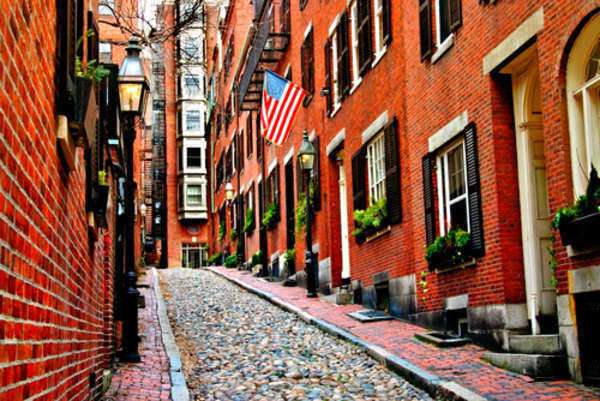
Historical homes are often charming and visually appealing. For individuals who are interested in history, owning a historic home may be a dream. Fortunately, there are a variety of historic homes for sale throughout the United States. They are available from all different time periods. For example, there are colonial and Victorian homes for sale. An individual can find old homes for sale in a variety of locations and in many different prices ranges. The homes are often loved for the architectural magnificence and rustic appearance.
There are some important factors that an individual should consider when viewing historic homes for sale. First, the cost of these homes varies greatly. Many of these homes are large, and if they are in good condition, they can easily cost over one million dollars. However, there are also historic homes available for under $200,000, and even a few for under $100,000. Before an individual becomes excited by the prospect of owning an affordable, historic home, he/she should understand that there are usually reasons that these homes are affordable.
Most historic homes were built centuries ago, during the 18th and 19th centuries. Therefore, these homes have endured a great deal of external stress and many of them have deteriorated over time.
If a historic home has not been properly maintained, it is likely that it is extremely damaged and requires extensive repair, which can cost an individual tens of thousands of dollars. Therefore, an individual must carefully analyze the condition of the home if he/she is considering purchasing a cheap, historic home.