Property and Casualty Insurance
📅 2026 Update: Changes in Property and Casualty Insurance
Since the original article was written, there have been several important updates in the field of property and casualty insurance. These changes can affect how consumers approach their insurance needs, particularly in terms of regulations and available resources. The earlier article continues further down the page.
📜 Recent Changes in Property Insurance
Property insurance laws and regulations can differ from state to state. In 2026, many states continue to modify their regulations to better protect consumers. This means that property insurance policies may vary widely based on where you live.
- 🏢 State Insurance Departments: Each state’s insurance department provides the most accurate information about local property insurance laws. Be sure to check your state’s official website for the latest updates.
- 📊 National Association of Insurance Commissioners (NAIC): This organization remains a key resource for understanding national trends in property insurance. They offer reports that can help consumers see how regulations are evolving across the country.
📝 Understanding Eligibility and Fees
Current eligibility criteria and fees for property insurance may be different than what was reported in the original article. These elements are crucial for anyone looking to secure coverage.
- 💵 Fees Vary by State: Insurance costs can differ significantly depending on local laws and market conditions. Always verify the most recent fee structures through your state’s insurance department.
📞 Consumer Advocacy Groups
Various organizations continue to provide valuable insights into consumer rights and property insurance. These groups can help consumers navigate complex issues in the insurance landscape.
- 📈 Guidance from Advocacy Groups: Organizations like the National Consumer League and Consumer Reports offer resources that can inform consumers about potential pitfalls in property insurance. Their guidance can be beneficial for understanding your rights.
📌 Key Points to Remember
- 🏛️ Property insurance laws can change based on state regulations.
- 📊 Check with your state’s insurance department for the latest information.
- 💵 Fees and eligibility can vary significantly.
- 📈 Consumer groups provide useful resources and insights.
💡 Tips for Understanding Property Insurance
Reviewing the details of your unique situation with an attorney can help you understand your property insurance needs better.
📋 Know Your Coverage Options
Understand the different types of coverage available. This includes dwelling, personal property, liability, and additional living expenses. Each type serves a different purpose and may be necessary depending on your circumstances.
🕒 Be Aware of Processing Times
Processing times for claims can differ greatly. It is vital to know how long you might wait for a claim to be processed to avoid unexpected delays in getting your compensation.
📝 Review Policy Details Regularly
It’s important to review your insurance policy regularly. Changes in your life, such as a new home or renovations, may require an update to your coverage.
💡 Understand Your Rights
Familiarize yourself with your rights as a policyholder. Knowing what you’re entitled to can help you advocate for yourself if issues arise.
📞 Seek Help When Needed
Don’t hesitate to reach out to consumer advocacy organizations if you have questions. They can provide assistance and information to help you make informed decisions.
🏆 Property and Casualty Insurance Services Ranked by User Reviews (2026)
The services listed here focus on property and casualty insurance and have been rated based on user experiences. The order follows Trustpilot data checked in October 2026. Remember that star ratings are only one indicator of service quality; unhappy customers tend to leave more reviews.
🥇 1. Acuity Insurance
Acuity Insurance has been rated 4.4 on Trustpilot. They are known for their strong focus on property and casualty insurance, along with their customer service excellence. However, some customers have reported delays in claims processing, which is a consideration when evaluating their services.
❓ Frequently Asked Questions
🤔 What is property insurance?
Property insurance protects against risks to property, such as fire, theft, or natural disasters. It may cover the physical structure, personal belongings, and liability.
🔍 How do I file a claim?
To file a claim, contact your insurance provider directly. They will guide you through their claims process, which may include submitting documentation and providing details about the incident.
📅 How often should I update my policy?
It is advisable to review your policy annually or after any major life change. This ensures your coverage remains adequate for your current situation.
📞 What should I do if a claim is denied?
If your claim is denied, ask for a detailed explanation from your insurer. You can appeal the decision or consult consumer advocacy groups for further assistance.
💡 How can I lower my insurance premiums?
Consider increasing your deductible, bundling policies, or reviewing discounts with your provider. Implementing safety features in your home can also lead to lower premiums.
📊 Where can I find information on property insurance trends?
The National Association of Insurance Commissioners (NAIC) offers reports and resources that cover trends in property insurance across the country.
⚖️ Recent Cases in Property Law
Recent court rulings have impacted property law, especially in areas like insurance claims and liability. These changes can shape how property insurance is applied and interpreted in legal situations.
- Puerto Rico court upholds eviction of Villa Pesquera occupantsTribunal De Apelaciones De Puerto Rico/Court of Appeals of Puerto Rico · July 30, 2026
- Massachusetts Court Rules on Tenant-Landlord DisputeMassachusetts Appeals Court · September 14, 2026
- New York court rules against preliminary injunction in property caseAppellate Division of the Supreme Court of the State of New York · September 16, 2026
- Court rules on property rights between Freeport village and schoolsAppellate Division of the Supreme Court of the State of New York · September 23, 2026
To stay updated, browse more rulings on the news page.
End of October 2026 Update
Property casualty insurance is a policy that protects a person's most expensive and cherished assets. Property and casualty insurance can be attached to homes, property, cars, and businesses. Property insurance typically refers to a protection plan purchased by a person or a business with an interest in physical property. The business or individual will purchase an insurance policy to protect against a financial loss incurred from damage of the property.
In essence, an individual or business will purchase an insurance policy to financially protect them against damages inflicted to their home or property. If their assets gets damaged or destroyed the money associated with fixing such a drastic problem is exorbitant.
Therefore, an individual will purchase a property casualty insurance plan so that if damages or loss of property does occur, their asset will be recouped through the insurance company. Not only does the insurance policy protect the individual against damages, but it also protects their largest asset and their largest source of income in the future.
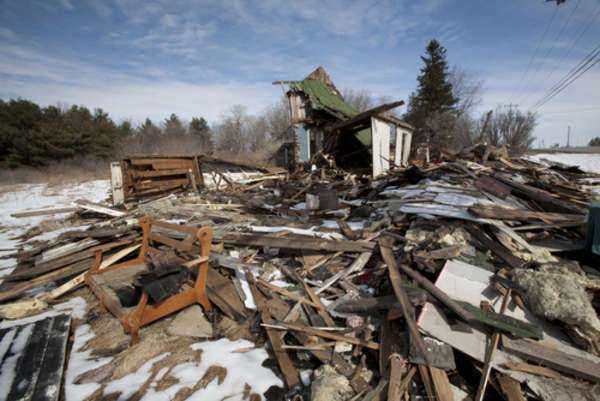
In contrast, a casualty insurance policy primarily protects a person or business against legal liability for damages or losses caused by injury on the individuals’ property to other people. In other words, if a person or friend gets badly injured on your property, a casualty insurance plan will protect your legal liability against any medical damages or lawsuits.
There are two separate property and casualty insurance packages a person can purchase: personal lines and commercial lines. Within these two categories are numerous subcategories. For instance, a farm, financial institutions, employment-related practices liability, crime and fidelity, and workers compensation are all examples of business related insurance policies. While automobile, a dwelling property, and personal liability are examples of personal insurance property and casualty policies.