What are Historic Properties
📅 2026 Update: Changes in Historic Property Protection
Since the original article was written, significant changes have occurred in the realm of historic properties in the U.S. Notably, federal rules aimed at protecting historic sites are undergoing revisions. These changes may impact how historic properties are preserved and managed.
Further details about historic properties continue below.
🏛️ Recent Federal Actions
On July 25, 2026, the Advisory Council on Historic Preservation voted to rewrite federal rules related to historic site protection. This decision has sent the proposed changes to the White House for review. The changes could alter how historic properties are managed at the federal level.
📜 Congressional Pushback
On August 27, 2026, over 600 organizations urged Congress to block proposed changes to the National Historic Preservation Act. The revisions, specifically to Section 106, could weaken protections for historic sites. This pushback highlights the strong community support for maintaining historic preservation laws.
🚧 Legal Challenges
Cultural and historic preservation groups filed for a federal injunction on April 29, 2026. They aimed to stop major renovations at the Kennedy Center, expressing concerns about potential violations of preservation rules. This case illustrates ongoing tensions between development and historic preservation.
📈 Changes in Preservation Initiatives
On May 20, 2026, the National Trust for Historic Preservation released its annual list of the most endangered historic places in the U.S. The list included 11 sites linked to equality movements. This highlights the ongoing need to protect significant cultural landmarks.
📌 Key Takeaways
- 🏛️ Federal rules on historic site protection are being rewritten.
- 📜 Over 600 organizations are advocating against changes to existing laws.
- 🚧 Legal challenges are ongoing, particularly regarding the Kennedy Center.
- 📈 The National Trust highlighted endangered historic sites related to equality.
💡 Tips for Understanding Historic Properties
Review the specifics of your situation with your attorney to ensure you understand all legal implications.
🏛️ Know Historic Designations
Understand the different types of historic designations. Properties can be listed on a national, state, or local level. Each designation comes with specific rules and protections.
📜 Check Local Regulations
Local governments often have preservation ordinances that affect historic properties. Make sure to check these regulations to know what is required for renovations or changes.
🚧 Stay Informed on Legal Changes
Changes in federal and state laws can impact historic property protections. Keep up to date with current events and proposed legislation that may affect your property.
📈 Engage with Preservation Groups
Connecting with local preservation groups can provide valuable information. These organizations often have resources and support for property owners dealing with historic designations.
💬 Participate in Public Discussions
Attend public meetings about preservation efforts in your area. Your voice can help shape policies that protect historic properties.
🏆 Services for Historic Property Management Ranked by User Reviews (2026)
This section lists services related to historic property management and preservation. These services have been evaluated based on user reviews and Trustpilot scores as of October 2026. Remember, scores can change over time, and a higher rating does not always indicate better service, as unhappy customers are often more vocal.
🥇 1. Soda PDF
Soda PDF holds a Trustpilot score of 4.1. It has been known for its PDF editing and document conversion services. However, some users report software glitches that can affect usability, making it essential for users to consider their specific needs.
🥈 2. Enence
Enence has a Trustpilot score of 4.2. It specializes in translation services, particularly document translation. Reviewers mention occasional delays in service, which could impact time-sensitive projects requiring translation.
🥉 3. ImmiTranslate
ImmiTranslate also has a Trustpilot score of 4.2. It is recognized for immigration document translation and certified translations. While it provides reliable services, some users express concerns about pricing, which may vary based on document complexity.
4️⃣ Languex
Languex holds a Trustpilot score of 4.7. The service is known for legal document translation and certified translations. However, it has limited language options, which may not meet the needs of all users seeking translations for historic property documents.
5️⃣ Universal Translation Services
Universal Translation Services has a Trustpilot score of 4.0. It is known for document and certified translations. Some users report slow response times, which could be a concern for urgent translation needs.
6️⃣ ALTA Language Services
ALTA Language Services boasts a Trustpilot score of 4.8. It is known for legal translation services and certified translations. Its pricing is higher compared to competitors, which may be a consideration for budget-conscious users.
🆓 Free Government and Nonprofit Help
Various government and nonprofit organizations offer free assistance for historic property preservation. These resources can guide property owners through preservation processes, legal requirements, and funding opportunities.
🔎 Choosing the Right Service
- 🔍 Check Trustpilot scores and reviews.
- 📜 Consider the specific type of translation or service needed.
- ⏱️ Look for feedback on response times and customer service.
- 💰 Compare pricing structures and any potential hidden fees.
❓ Frequently Asked Questions
❓ What is a historic property?
A historic property is a building, structure, or site that has historical significance. This significance can be due to its age, architecture, or association with historical events or figures.
🏛️ How are historic properties protected?
Historic properties are protected through federal, state, and local laws. These laws often require that any alterations to a property must comply with preservation standards.
📜 What should I do if my property is designated as historic?
If your property is designated as historic, review the applicable regulations. You may need to obtain permits for renovations and consult with preservation experts.
🚧 Can I make changes to a historic property?
You can make changes, but they may be subject to specific regulations. Always check with local preservation authorities before proceeding with any alterations.
📈 How can I find out if my property is historic?
You can check with local or state historic preservation offices. They maintain records of designated historic properties and can provide information about your property.
💬 What resources are available for historic property owners?
Various organizations, including the National Trust for Historic Preservation, offer resources for historic property owners. These resources can include funding options, preservation guidelines, and legal assistance.
⚖️ Recent Court Cases Related to Historic Properties
Recent court rulings highlight ongoing legal battles concerning historic property protections and renovation projects. These cases reflect the complexities of balancing development with preservation.
- Court Affirms Partial Victory for Molly Cosel in Property CaseCourt of Appeals for the First Circuit · August 11, 2026
- Texas court rules against man challenging property taxesTexas Court of Appeals, 6th District (Texarkana) · August 4, 2026
- Ohio Court Rules in Favor of HSBC Bank in Foreclosure CaseOhio Court of Appeals · August 4, 2026
- Indiana Supreme Court rules on solar project zoning disputeIndiana Supreme Court · June 24, 2026
You can browse more rulings on the news page for updates on recent cases related to historic properties.
End of October 2026 Update
Historic properties are those properties and buildings which are considered historic, whether it is because they have been in existence for a very long time, or because they hold some particular kind of historical relevance for the area. Historic properties are, in general, owned, sold, and bought in the same fashion as any other kind of property, as historic properties are ultimately still just properties.
Exceptions to the basic nature of historic properties would likely only arise when these historic properties are particularly historic, and they are in some capacity protected by the City Council or some other form of government within the city, or even the state.
Council properties, then, might be secured by the government that wants to protect those properties; this would then give that government full title to those properties, thereby disallowing anyone else from attempting to make changes which might alter the historic properties to their detriment.
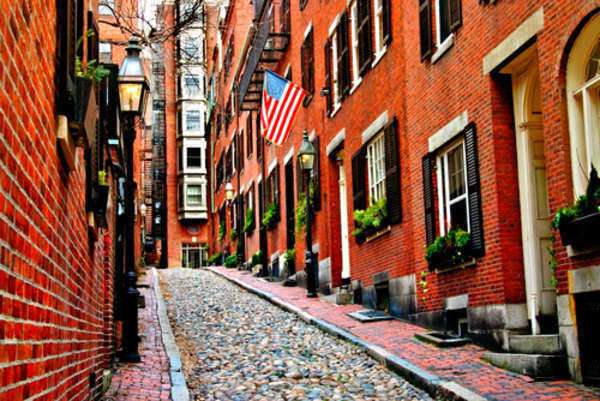
Many major cities also have some form of Council on Historic Preservation, as well. Such a council might be linked to the government in some capacity, but it might also be entirely independent.
Regardless, such councils often have rights to a number of different council properties which they own because they wanted to protect those historic properties. Most often, such council properties will not be sold or exchanged with any given individual, as the historic properties may simply reside in the control of the council, so that the historic properties might best be preserved, or they might be sold to individuals whom the historic council was sure would treat the properties appropriately.