Property Developer
📅 2026 Update: Changes in US Property Law
Since the original article was published, key developments have occurred in US property law that affect property developers, landlords, and tenants. These changes include new federal laws, executive orders, and updated standards for environmental assessments. The earlier article continues below, providing foundational insights into these topics.
🏠 Federal Housing Law Enactment
On July 11, 2026, the 21st Century ROAD to Housing Act was enacted. This law aims to boost homebuilding across the country. It represents the first major federal effort in decades to address housing shortages by streamlining construction processes.
🏗️ Executive Order on Affordable Housing
In March 2026, an executive order titled "Removing Regulatory Barriers to Affordable Home Construction" was issued. This order directs federal agencies to find and remove rules that make building homes more expensive. The goal is to encourage affordable housing development nationwide.
⏳ Environmental Site Assessment Standards
The EPA updated the ASTM E1527 standard for Phase I Environmental Site Assessments in February 2024. Developers must now follow ASTM E1527-21 to maintain liability protection. This update is crucial for ensuring compliance when assessing potential contamination.
💰 Current Costs and Fees
As of now, the national average for residential impact fees is approximately $16,000 per unit. These fees can be significantly higher in areas with high housing demand. Additionally, business registration fees for forming an LLC or corporation range from $35 to $500, with most states charging under $200.
📌 Key Updates to Note
- 🏠 The 21st Century ROAD to Housing Act aims to increase homebuilding.
- 🏗️ An executive order seeks to eliminate costly regulations on housing construction.
- ⏳ The EPA's updated standards for environmental assessments are now in effect.
- 💰 Average impact fees for residential units stand at $16,000.
- 💼 Business registration fees vary but generally stay below $200.
💡 Tips for Property Developers and Landlords
Review the specifics of your situation with your attorney. Understanding the legal implications can help you navigate property development and management effectively.
🔍 Understand New Federal Laws
Stay informed about the 21st Century ROAD to Housing Act. It introduces new funding opportunities and requirements that can impact your projects.
🏗️ Keep Up with Zoning Changes
Local governments may adjust zoning laws in response to the new federal housing policies. Regularly check local regulations to ensure compliance and take advantage of potential development opportunities.
🔎 Conduct Thorough Environmental Assessments
Before purchasing property, perform a Phase I Environmental Site Assessment following the ASTM E1527-21 standards. This is vital for identifying contamination risks and protecting against liability.
💰 Budget for Impact Fees
Prepare for higher impact fees in your project budget. With average fees around $16,000 per unit, these can add substantial costs to your development.
📆 Plan Development Agreements Wisely
When entering into development agreements, be aware that they typically last between 10 to 20 years. Ensure your agreements reflect current zoning and land use rules.
📝 Utilize Available Resources
Look into grants and assistance programs under the 21st Century ROAD to Housing Act. These can provide valuable support for affordable housing projects.
🏆 Free Options Ranked by User Reviews (2026)
No paid services in property law met the review standards for inclusion in this section. Instead, here are free government and nonprofit resources that offer assistance.
🥇 1. Affordable Housing Development Assistance
The 21st Century ROAD to Housing Act includes grant programs. These programs support state and local efforts to build and restore homes. They offer funding and technical assistance to developers focused on affordable housing.
🥈 2. Environmental Assessment Guidance
The EPA provides comprehensive guidelines for conducting environmental site assessments. Their resources ensure compliance with federal standards and help protect developers from environmental liabilities.
🥉 3. Local Government Resources
Many local governments offer resources to assist developers. This includes information on zoning laws, permits, and community development grants. Check with your local planning department for specific programs.
4️⃣ HUD Resources
The U.S. Department of Housing and Urban Development (HUD) provides various resources for developers. These include funding opportunities, regulatory guidance, and information about affordable housing initiatives.
5️⃣ Nonprofit Housing Organizations
Numerous nonprofit organizations focus on housing development. They often provide technical assistance, training, and advocacy for affordable housing projects. Engaging with these organizations can enhance project success.
🔎 Before You Pay for Help
- 💰 Understand the costs involved in your project.
- 📋 Verify the qualifications of any service provider.
- 🔍 Research the latest local zoning laws and regulations.
- 🏛️ Check for available government grants or resources.
- 📅 Review deadlines for applications and agreements.
❓ Frequently Asked Questions
🏡 What is the 21st Century ROAD to Housing Act?
The 21st Century ROAD to Housing Act is a federal law aimed at increasing homebuilding. It provides funding and support for state and local housing projects.
🏗️ How do I conduct a Phase I Environmental Site Assessment?
A Phase I Environmental Site Assessment should be conducted following ASTM E1527-21 standards. This assessment helps identify potential contamination before purchasing property.
💼 What are typical business registration fees?
Filing fees for forming a limited liability company or corporation vary. They generally range from $35 to $500, with most states charging under $200.
🔍 How can I find grants for housing development?
Grants for housing development can be found through programs under the 21st Century ROAD to Housing Act. Local government websites may also list available funding opportunities.
📅 How long do development agreements last?
Development agreements typically last between 10 to 20 years. The duration can vary based on the project's scale and complexity.
⚖️ What should I know about environmental liabilities?
Conducting a Phase I Environmental Site Assessment is essential for identifying potential contamination. This protects against liability under CERCLA for existing contamination.
⚖️ Recent Cases Related to Property Law
Recent court rulings have highlighted important aspects of property law, especially regarding housing development and environmental assessments. These decisions impact developers, landlords, and tenants alike.
- New York court rules in favor of homeowner in foreclosure caseAppellate Division of the Supreme Court of the State of New York · July 29, 2026
- New York court rules on mortgage foreclosure case involving Deutsche BankAppellate Division of the Supreme Court of the State of New York · July 29, 2026
- Court rules on mortgage foreclosure case involving estate heirsAppellate Division of the Supreme Court of the State of New York · July 29, 2026
- Court Reverses Foreclosure Order Against Hugh Parris in NYAppellate Division of the Supreme Court of the State of New York · July 29, 2026
Explore more recent rulings for comprehensive insights into current developments in property law by visiting more rulings on the news page.
End of October 2026 Update
A property developer is an individual who performs real estate development for a living. A property developer, in other words, takes land or real estate property and then improves it in some fashion so as to sell it and thereby make a profit. Real estate developers might develop buildings and other edifices through renovation, but they might also perform raw land development, which might involve improving that land in some capacity to entice some form of construction to occur on the land.
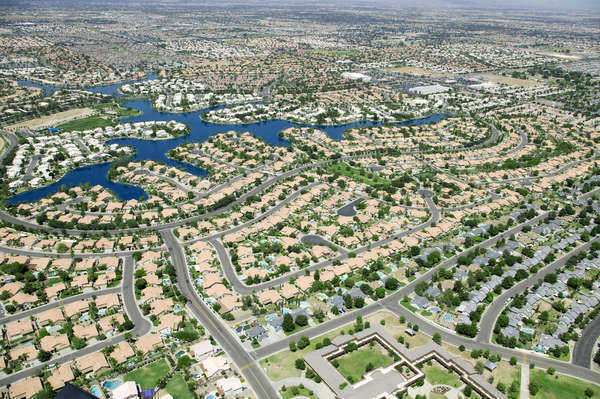
For example, property developers might purchase large tracts of empty, raw land, and might then subdivide that land into a number of smaller units, each of which is easily built upon. Then, the property developers might contact a construction company and convince that company to produce buildings, like houses, on the property. Thus, these real estate developers would have created a housing subdivision, and would have profited by selling the land.
Becoming a property developer is often relatively difficult from a skills-based perspective, but relatively easy from a perspective of who might have the tools to do it. In other words, successful property developers are those individuals who either already are aware, or who learn quickly the important rules and tools of real estate development, but anybody might get into the career, with the right assistance.
In general, real estate developers will want to buy property at the lowest price possible, as this is one of the best ways to maximize profit, and will then develop that property for sale.