Will Bad Credit Hurt Your Mortgage Rates?
📅 2026 Update: Recent Changes in Mortgage Rates and Credit Impact
Since the original article was published, there have been several important updates regarding mortgage rates and the impact of credit scores. These changes affect how borrowers with bad credit may navigate their mortgage options. The information from the earlier article continues below for readers seeking a broader understanding.
📉 New CRA Regulations
On October 24, 2026, new rules for the Community Reinvestment Act (CRA) were announced. These rules will take effect on April 1, 2024, with compliance dates set for January 1, 2026, and January 1, 2027. The CRA aims to ensure that banks meet the credit needs of low- and moderate-income communities.
This change may lead to more accessible mortgage options for those with bad credit.
- 🏦 Performance Tests: The new rules include updated performance tests. This means banks will be evaluated more fairly on their lending practices.
📊 FHA Loan Changes
In June 2026, the Federal Housing Administration (FHA) made significant updates to loan limits and mortgage insurance premiums (MIP). These changes aim to make FHA-insured mortgages more accessible, especially for borrowers with lower credit scores.
- 📈 Lower Premiums: The reduction in MIP can lower monthly payments for borrowers, making homeownership more achievable.
💵 Loan Fees and Costs
Loan origination fees and closing costs remain significant factors for borrowers. Mortgage lenders typically charge an origination fee of 0.5% to 1% of the loan amount. For a $300,000 mortgage, this means approximately $1,500 to $3,000 in fees.
- 💰 Closing Costs: Buyers should also expect to pay between 2% and 5% of the loan amount in closing costs. For a $400,000 home, this could be around $8,000 to $20,000.
📅 Timeline for Mortgage Processing
The average time from mortgage application to closing ranges from 30 to 60 days. This timeline can vary based on the complexity of the loan and the efficiency of the parties involved. Understanding this timing can help borrowers plan better.
📌 Key Points to Remember
- 📅 New CRA rules effective April 1, 2024.
- 📉 FHA loan limits and MIP lowered in June 2026.
- 💵 Loan origination fees typically range from 0.5% to 1%.
- 📊 Closing costs can add $8,000 to $20,000 for a $400,000 home.
- ⏳ Mortgage processing time averages 30 to 60 days.
💡 Tips for Borrowers with Bad Credit
Review your financial situation with an attorney to ensure you understand your options.
📝 Understand Your Credit Score
Know your credit score and how it affects your mortgage options. Lenders may offer higher rates to those with bad credit, impacting monthly payments.
🔍 Explore FHA Options
FHA loans are designed for borrowers with lower credit scores. Recent updates make these loans more accessible, so consider this option if your credit is less than perfect.
💵 Prepare for Fees
Expect origination fees and closing costs when applying for a mortgage. Budgeting for these costs upfront can help you avoid surprises later.
📅 Be Aware of Processing Times
Understanding that mortgage applications can take 30 to 60 days to process can help you plan your timeline effectively. This knowledge can also help you manage expectations.
🏦 Consider Community Reinvestment Act Benefits
The new CRA regulations may lead to more lending opportunities. Financial institutions will need to meet the credit needs of low- to moderate-income borrowers.
🏆 Ranked by User Reviews (2026)
This section provides a look at mortgage services that are recommended based on user reviews. The companies listed here have been ranked according to Trustpilot data as of October 2026. Remember that star ratings are just one factor, as unhappy customers often leave more reviews, and sample sizes can vary.
🥇 1. West Capital Lending
West Capital Lending has been rated 4.6. This company is known for competitive financing options and expert guidance for borrowers. However, it has limited loan product variety, which may not suit all needs.
🥈 2. AmeriSave Mortgage Corporation
AmeriSave Mortgage Corporation holds a 4.5 rating. It is known for offering affordable rates and a wide variety of loan options. Reviewers have noted that customer service responsiveness could be improved.
🥉 3. NewDay USA
NewDay USA has been rated 4.5. It specializes in VA loans and is recognized for good customer service. However, some customers have experienced longer processing times, which can be a concern for those needing quick approvals.
4️⃣ loanDepot
loanDepot averages a score of 4.0. The company is known for its online mortgage applications and advanced digital technology. Reviewers have mentioned that customer service responsiveness is an area needing improvement.
5️⃣ Rocket Mortgage
Rocket Mortgage is rated 4.4. It offers a fully online mortgage process with quick pre-approvals, appealing to tech-savvy borrowers. However, users have reported issues with processing delays and paperwork errors.
🆓 Free Government and Nonprofit Help
The Consumer Financial Protection Bureau (CFPB) offers free resources to help borrowers understand mortgage costs. Additionally, the National Community Reinvestment Coalition (NCRC) provides advocacy and research on mortgage lending practices, focusing on low- and moderate-income borrowers.
🔎 What to Compare When Choosing a Mortgage Service
- 📊 Trustpilot ratings and reviews
- 💰 Fees and closing costs
- 🏦 Loan options available
- ⏳ Processing times for applications
- 🤝 Customer service quality
❓ Frequently Asked Questions
❓ How does bad credit affect mortgage rates?
Bad credit can lead to higher mortgage rates. Lenders see borrowers with low scores as higher risk, which usually results in increased interest rates.
🔑 What are current FHA loan limits?
As of June 2026, the FHA updated loan limits to make its mortgages more accessible. These changes aim to support borrowers with lower credit scores.
🏦 What fees should I be aware of when applying for a mortgage?
When applying for a mortgage, expect origination fees of 0.5% to 1% of the loan amount and closing costs ranging from 2% to 5% of the loan amount.
📅 How long does it take to process a mortgage application?
Typically, the time from application to closing ranges from 30 to 60 days. This period can vary based on the complexity of the loan and the efficiency of all parties involved.
🔍 What is the Community Reinvestment Act?
The Community Reinvestment Act requires banks to meet the credit needs of low- and moderate-income communities. New rules effective April 1, 2024, aim to improve compliance and performance evaluations.
🏡 Are there resources for low-income borrowers?
Yes, the CFPB and NCRC provide resources and advocacy for low- and moderate-income borrowers. These organizations help improve understanding of mortgage options and lending practices.
⚖️ Recent Court Cases Impacting Mortgage Rates
Recent court rulings have focused on mortgage regulations and lending practices, directly connecting to how credit impacts mortgage rates.
- Court affirms ruling on property dispute in Manglona caseSupreme Court of The Commonwealth of The Northern Mariana Islands · February 15, 2021
- Alabama Supreme Court upholds ruling on property sale disputeSupreme Court of Alabama · October 16, 2026
- Supreme Court dismisses Norita's appeal over property claimSupreme Court of The Commonwealth of The Northern Mariana Islands · June 3, 2020
- Supreme Court denies NMHC's request for foreclosure saleSupreme Court of The Commonwealth of The Northern Mariana Islands · July 22, 2020
You can explore more recent rulings in the news section: more rulings on the news page.
End of October 2026 Update
For individuals who have bad credit there is a nagging worry that they are going to be turned away from attempting to get a mortgage. And yes, bad credit can be a cumbersome issue when it comes to acquiring loans and attempting various other financial endeavors, it is not one that will stand in the way of purchasing a home.
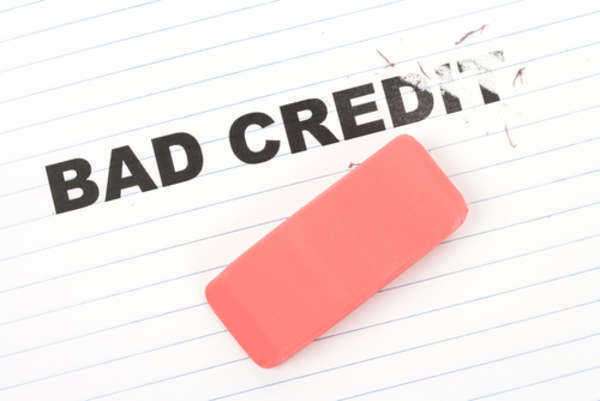
People who have bad credit can still get loans from lenders; it is a matter of seeking out lenders and finding out price quote for mortgage rates. Bad credit mortgage rates, traditionally, are higher than the mortgage rates of those with good credit. Why is this so? This is so because lenders mark people with bad credit in a category of risk. Bad credit can be acquired through late or no-payment of bills, defaulting on previous loans, and various other reasons.
This risk for lenders is one that comes with a higher cost in interest. Bad credit mortgage rates have higher interest on them, because the lender requires more money for the loan as an assurance that they are securing a deal which one fall through. However, in the current economic state, the entirety of lenders market has seen a dramatic decrease in rates; this dramatic decrease includes the bad credit mortgage rates.
Bad credit mortgage rates for a 15 year fixed mortgage are centering on the 4% mark and 30 year fixed mortgages are up around 4.6% and higher. Overall, the mortgage rates bracket of bad credit mortgage rates and higher, regular mortgage rates are overlapping; but bad credit mortgage loans are still a very serious commitment.